How Do I Build a Weekly Reset Routine? (The Sunday Habit That Runs Your Week)
Drowning by Tuesday every week? A 30-minute Sunday reset front-loads the decisions that cause weekday chaos. Here's how to build one that sticks.

As an Amazon Associate I earn from qualifying purchases.
Some weeks you're on top of everything; others you're drowning by Tuesday and can't figure out why. The difference is rarely discipline — it's whether the week was set up or just stumbled into. A weekly reset is 30-60 minutes, usually on a Sunday, that quietly decides how the next seven days will go. It's the highest-leverage hour in your week, and almost nobody does it.
Quick Answer
A weekly reset is a short, repeatable routine — 30 to 60 minutes — where you close out the week that ended and set up the one ahead: a quick review, a tidy-up, a look at the calendar, and prepping the two or three things that always trip you up (meals, workouts, mornings). Do it at the same time weekly until it's automatic. It trades one calm hour for a week with far less daily friction.
People call it a weekly reset, a Sunday reset, or just a week reset — same routine, and the shape below works whichever day you land on.
Why a Reset Beats Willpower
Most weekday chaos isn't caused by lack of effort — it's caused by decisions you're forced to make on the fly while tired. What's for dinner? Did I schedule that? When will I work out? Each one drains a little willpower, and by Wednesday the tank is empty. A weekly reset front-loads those decisions into one calm block when you're fresh, so your weekdays run on autopilot instead of on constant improvisation. You're not more disciplined — you just have fewer battles to fight.
The Core Reset (30 Minutes)
Look back (5 min). What worked last week? What blew up? No judgment — just one honest glance so you're not repeating the same wall on Tuesday.
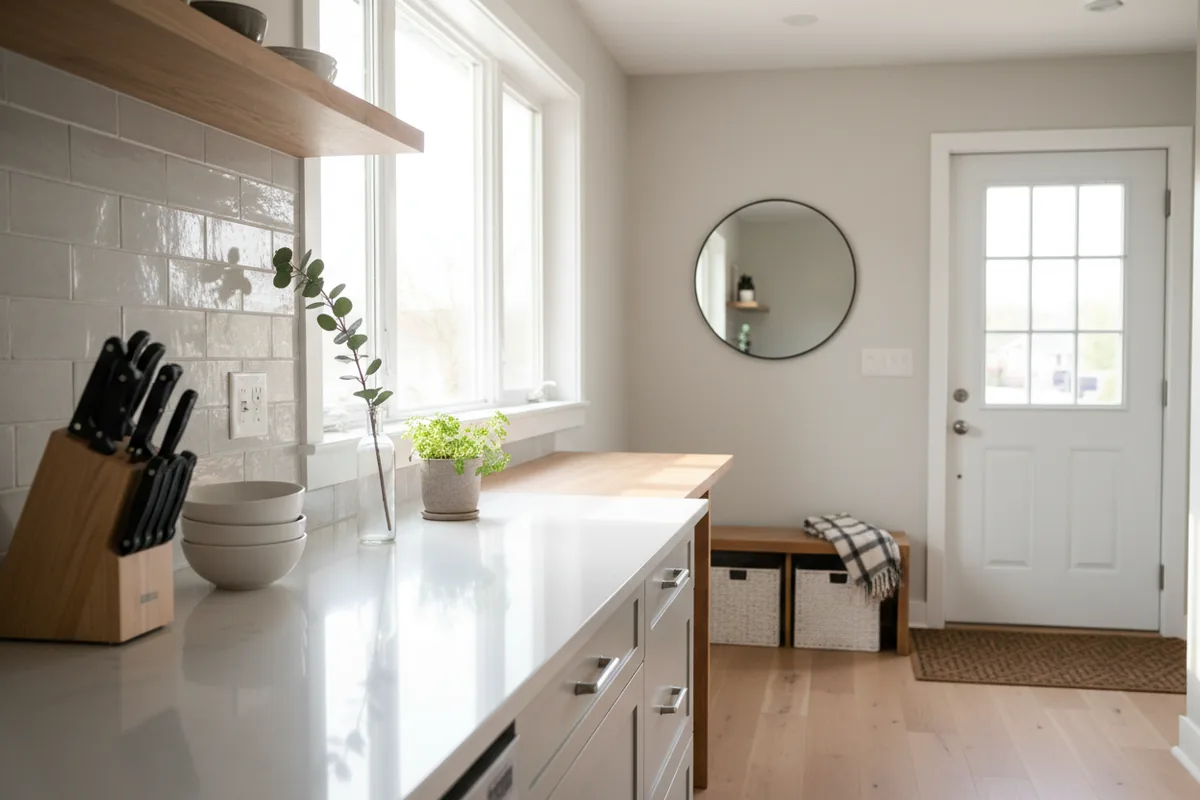
Clear the surfaces (10 min). Tidy the physical spaces that set your tone — kitchen counter, desk, entryway. A clear space Monday morning is a quiet signal that you're in control before the week even starts.
Look ahead (5 min). Open the calendar. Where are the pinch points — the packed days, the early meetings, the evening with zero time? Spotting them now means you plan around them instead of getting ambushed.
Prep the trip-wires (10 min). Handle the two or three things that always derail you. For most people that's food (a rough meal plan, one grocery order), movement (which days realistically have a workout), and mornings (clothes and bag ready for the busy days).
Make It Stick
Same time, every week. Sunday evening works for most, but the best time is the one you'll actually keep. Anchor it to something fixed — after Sunday dinner, before a favorite show.
Keep a simple checklist. Don't rebuild the routine from memory each week. A short repeatable list in a planner or notebook turns it into a 30-minute glide instead of a "what was I supposed to do again."
Start smaller than feels useful. A 15-minute reset you actually do beats a 90-minute system you dread. Add steps only once the core habit is locked in.
What a Reset Is Not
It's not a productivity marathon or a life-overhaul session. If it starts feeling like a second job, you've overloaded it and you'll quit. The goal is a calm, boring, repeatable half-hour — the opposite of impressive, which is exactly why it lasts.
Common questions about the weekly reset
What is a weekly reset routine, exactly? It is a fixed block of 30–60 minutes, usually at the weekend, where you close out the week that just ended and set up the one ahead. Review what happened, clear the surfaces you actually use, look at the calendar, and prep the two or three things that reliably derail you. It is not a cleaning session and not a planning system — it is one hour that removes friction from the following seven days.
How long should a weekly reset take? Thirty minutes is enough for most people, and sixty is the upper limit worth spending. If yours regularly runs past an hour, something that belongs in the week has migrated into it. Start at fifteen minutes if you are building the habit from nothing — a short reset you actually repeat beats a thorough one you abandon in three weeks.
What should be in a Sunday reset? Four things, in this order: a five-minute look back at what worked and what blew up, ten minutes clearing the kitchen counter, desk and entryway, five minutes scanning the week ahead for the pinch points, and ten minutes prepping the trip-wires — a rough meal plan, which days realistically have a workout, and clothes or bags laid out for the busiest mornings.
When is the best day to do a weekly reset? Sunday evening works for most people because it sits right before the week starts, but the best day is the one you will actually keep. Friday afternoon suits anyone who wants the weekend genuinely free; Monday morning works if your weekends are unpredictable. What matters far more than the day is that it is the same day every week, anchored to something fixed you already do.
How is a weekly reset different from meal prep? Meal prep is one possible item inside a reset, not the reset itself. The reset is the half hour where you decide what the week needs; meal prep is one of the answers it might produce. People who treat the two as the same thing tend to end up with a three-hour Sunday they start dreading, which is the most common reason the habit dies.
How do I stop the reset turning into a whole afternoon? Put a timer on it and keep a written checklist so you are not rebuilding the routine from memory each week. The two things that inflate a reset are deep-cleaning rooms you do not use daily, and letting a calendar scan turn into a full life-planning session. Clear only the surfaces that set your tone, and write down anything bigger as a task for the week rather than doing it now.
Final Thoughts
You can't control what the week throws at you, but you can control whether you walk into it prepared or blindsided. One quiet hour — look back, clear up, look ahead, prep the trip-wires — and the following seven days get noticeably easier. The reset isn't about doing more. It's about deciding once, calmly, so you don't have to decide fifty times, exhausted.
The morning half of the system — Read: What Is the Best 10-Minute Morning Routine Before Work?
Staying consistent when weeks vary — Read: How Do I Stay Consistent With Habits When My Schedule Changes Every Day?
Prep your meals in the reset — Read: Best Meal Prep Ideas for Busy Professionals
(Affiliate links below — I only recommend products I genuinely believe in. Purchasing through these links supports this blog at no extra cost to you.)
Simple tools for a smooth reset: