Why Am I Always Tired Even After 7–8 Hours of Sleep With a Full-Time Job?
Getting enough sleep but still exhausted? Learn the real reasons why busy adults over 30 feel tired despite 7-8 hours of sleep — and simple fixes to restore your energy.

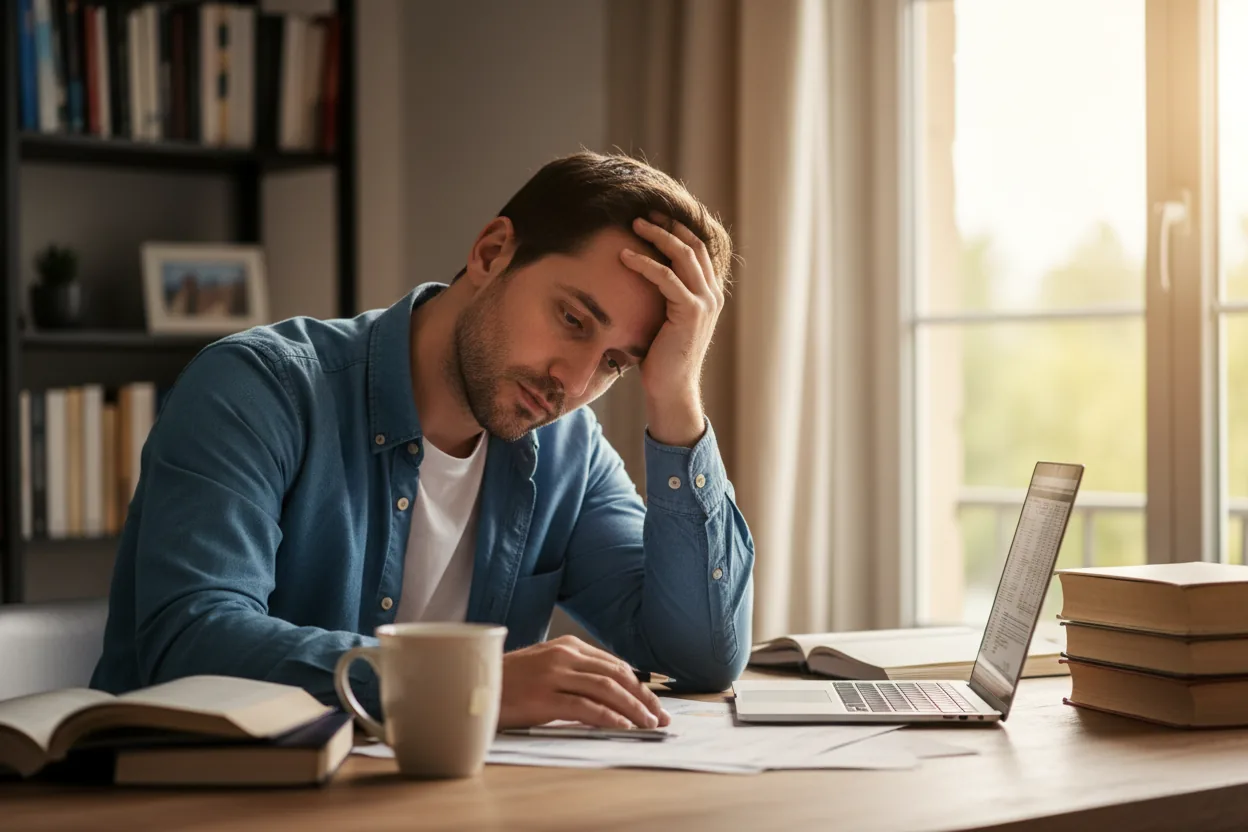
Feeling exhausted despite getting a full night of sleep is frustrating, especially when you're balancing a demanding full-time job. You follow the basic rules: sleep 7-8 hours, eat reasonably well, and even try to exercise. Yet, you wake up drained, struggle to focus at work, and find it nearly impossible to stay energized throughout the day.
In this guide, we'll break down the causes of persistent fatigue, actionable steps to improve sleep quality and energy, and strategies for integrating these practices into a busy life.
Understanding Why Sleep Isn't Enough
Getting 7-8 hours of sleep is important, but quantity alone doesn't guarantee quality. Sleep is multi-layered, and interruptions can drastically reduce your restorative rest.
Sleep Stages Matter
- Light Sleep (N1 and N2): Prepares you for deeper rest
- Deep Sleep (N3): Critical for physical recovery and repair
- REM Sleep: Vital for mental processing, memory, and emotional balance
If your sleep cycles are disrupted, you may get 8 hours but miss key deep or REM stages. One tool that can help you track your actual sleep stages is the Fitbit Versa 4 Fitness Smartwatch — it monitors your sleep cycles and gives you a clear picture of what's really happening at night.
Hidden Disruptors That Affect Sleep Quality
- Stress and mental fatigue from work
- Late-night screen exposure (blue light)
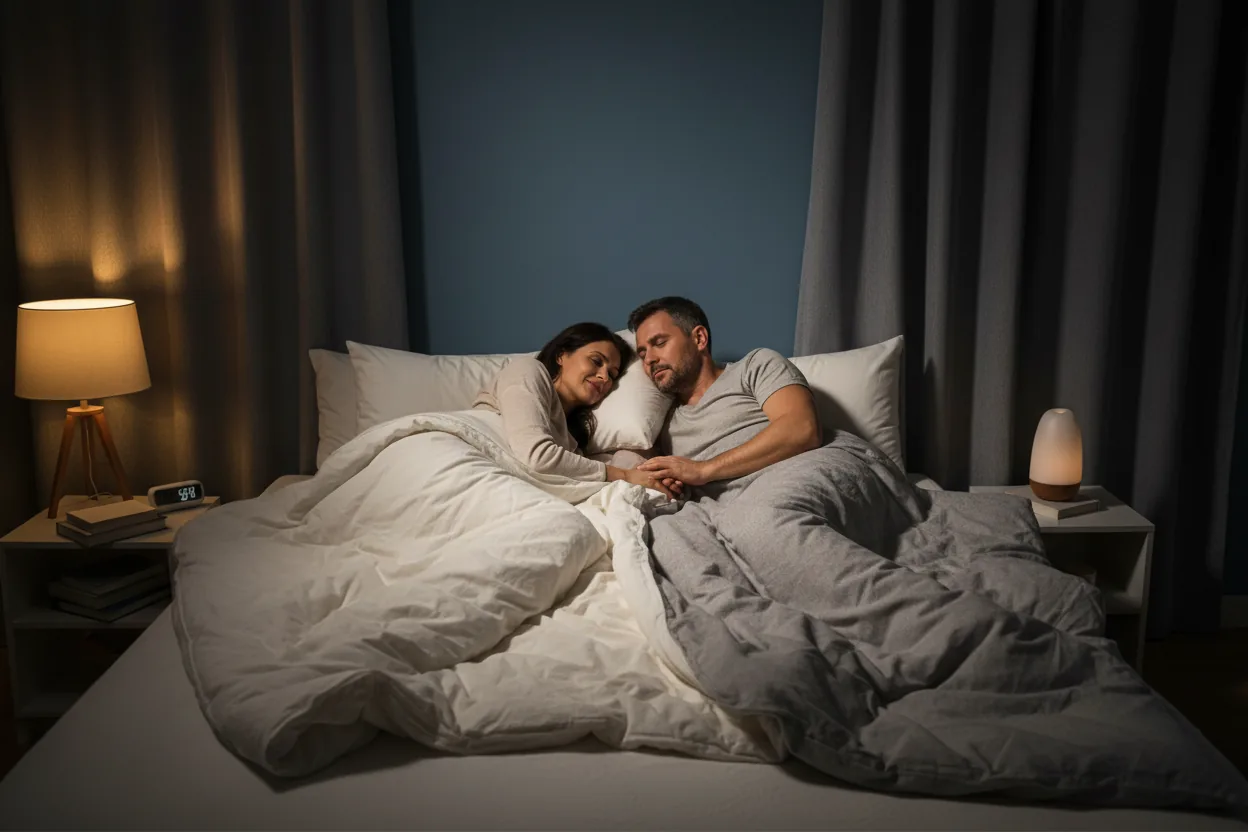
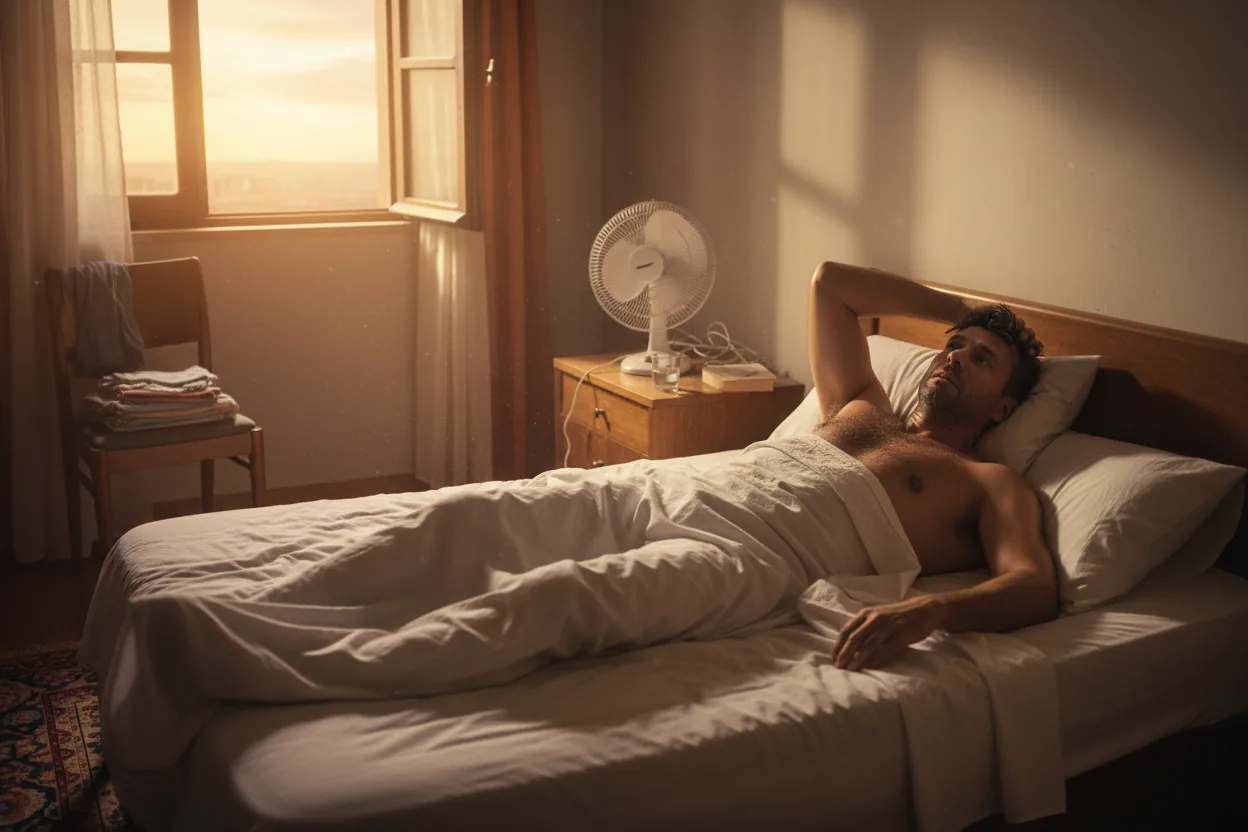
- Poor sleep environment (light, noise, temperature)
- Irregular sleep schedule
- Excess caffeine or alcohol

The Role of Lifestyle in Persistent Fatigue
Sleep isn't isolated - your daily habits directly impact energy. Long hours, high mental load, and minimal movement contribute to chronic stress, adrenal fatigue, and energy dips even after sleep.
Nutrition Matters
Skipping meals or relying on processed foods leads to blood sugar swings, leaving you drained. Consuming balanced meals and staying hydrated supports energy levels and enhances sleep quality.
Sedentary Lifestyle
Ironically, being inactive makes you more tired. Regular movement - even short, structured sessions - enhances both physical and mental energy.
Common Medical Causes of Fatigue
- Anemia: Low red blood cell count limits oxygen delivery
- Thyroid Disorders: Hypothyroidism slows metabolism
- Sleep Apnea: Interrupts breathing, reducing sleep quality
- Vitamin Deficiencies: B12, D, and magnesium impact energy
- Chronic Stress or Depression: Mental load affects restorative sleep
If fatigue persists despite good habits, consulting a healthcare professional is recommended.
Strategies to Improve Sleep Quality and Energy
Optimize Your Sleep Environment
- Keep your bedroom cool (65-68F / 18-20C)
- Block light with blackout curtains
- Reduce noise with earplugs or white noise — a Home Weighted Blanket (All-Natural 100% Cotton) can also help your body feel grounded and calm
- Use your bed only for sleep
Establish a Consistent Sleep Schedule
- Go to bed and wake up at the same time daily
- Avoid long naps late in the day
Limit Disruptive Inputs
- Reduce caffeine intake after 2 PM
- Avoid alcohol close to bedtime
- Limit screen exposure 1 hour before sleep
Stress Management
Even 5-10 minutes of deep breathing, meditation, or journaling can significantly improve sleep quality.
Many adults are also deficient in magnesium — a key mineral for muscle relaxation and sleep. Magnesium 250 mg Liquid Softgels are an easy way to supplement before bed.
Quick Start Plan to Reduce Fatigue Today
- Evaluate your sleep environment
- Identify and eliminate energy drains
- Integrate short, high-efficiency workouts
- Adjust nutrition to support stable energy
- Incorporate stress management into your evening
For a complete step-by-step evening system, read: Best Bedtime Routine for Busy Adults
Want to go deeper on sleep quality? Read: How to Improve Sleep Quality With a Busy and Stressful Schedule
Ready for a complete sleep optimization guide? Read: How to Improve Sleep Quality for Busy Adults Over 30
Frequently Asked Questions
Why am I still tired after 7 to 8 hours of sleep? Because quantity is not quality. Sleep runs in cycles, and if yours are being broken by stress, screens, noise, temperature or an irregular schedule, you can spend eight hours in bed while missing much of the deep and REM sleep that actually restores you.
What is the ideal bedroom setup for deep sleep? Cool, dark and quiet: 18 to 20°C, blackout curtains, and earplugs or white noise if sound gets in. Keeping the bed for sleep only also matters more than it sounds, because it trains your brain to associate the room with switching off rather than with scrolling.
Can being inactive make me more tired? Yes, which is the least intuitive part of this. A sedentary day leaves you more drained than an active one, and short structured movement reliably raises both physical and mental energy. Waiting to feel energetic before exercising gets the order backwards.
What medical conditions cause constant tiredness? Anemia, thyroid disorders such as hypothyroidism, sleep apnea, B12, D or magnesium deficiency, and chronic stress or depression are the common ones. All are treatable and none of them respond to better sleep hygiene alone.
When should I see a doctor about fatigue? If tiredness has persisted for weeks despite a decent sleep schedule, reasonable food and some movement. That is the point where the answer is more likely to be found in a blood test or a sleep study than in another change to your evening routine.
Final Thoughts
Feeling tired after 7-8 hours of sleep is common, but not inevitable. Understanding why this happens and implementing practical strategies - improving sleep quality, managing stress, eating well, and moving efficiently - can make a dramatic difference. Start today. Make one small adjustment tonight.
If you suspect your fatigue goes beyond sleep, this article is worth reading: Why Do I Feel Low Energy Even With a Healthy Lifestyle?
(Affiliate links below — I only recommend products I genuinely believe in. Purchasing through these links supports this blog at no extra cost to you.)