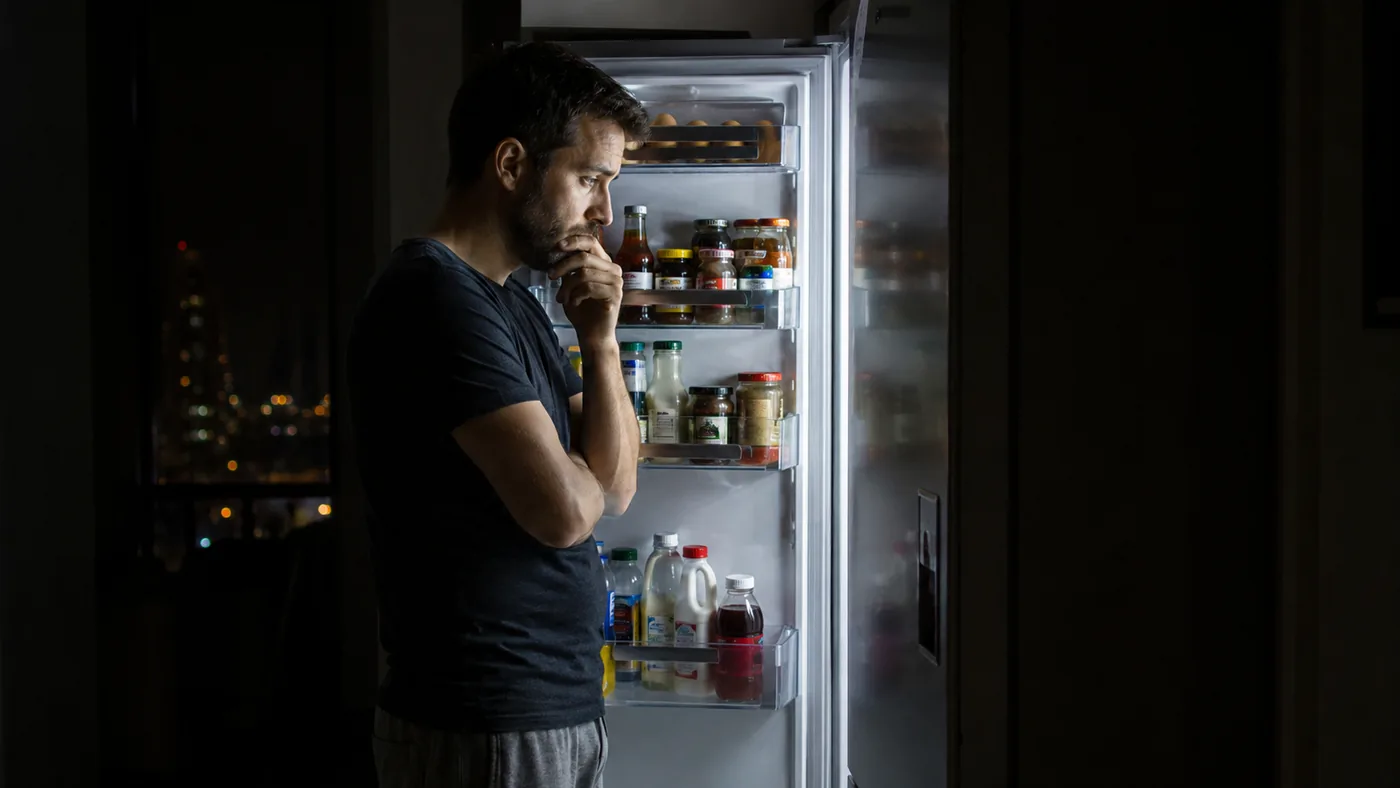
How to Stop Stress Eating When You're Overwhelmed at Work
Stress eating is triggered by cortisol, the stress hormone that increases appetite and cravings for high-calorie foods. To stop it, you need to address both the physical triggers (blood sugar crashes, dehydration) and the psychological ones (boredom, anxiety, habit loops). A combination of structure

As an Amazon Associate and partner with other affiliate websites, I earn from qualifying purchases.
How to Stop Stress Eating When You're Overwhelmed at Work
It's 3pm, you're drowning in deadlines, and somehow you've eaten half a bag of chips without noticing. Sound familiar? Stress eating is one of the most common struggles for busy adults — and it has nothing to do with willpower or discipline. Understanding why it happens and having a few practical tools ready is what actually stops it.
This guide breaks down exactly how to stop stress eating when you're overwhelmed at work, with strategies that fit into a real schedule.
Quick Answer
Stress eating is triggered by cortisol, the stress hormone that increases appetite and cravings for high-calorie foods. To stop it, you need to address both the physical triggers (blood sugar crashes, dehydration) and the psychological ones (boredom, anxiety, habit loops). A combination of structured eating, stress management tools, and mindful substitutions works better than willpower alone.
Why Stress Eating Happens (It's Not Weakness)
When you're under pressure, your body releases cortisol. Cortisol signals your brain to seek out quick energy — specifically sugar and fat. This was useful when stress meant physical danger. In a modern office, it just means you're raiding the snack drawer at 3pm.
There's also a habit loop at play. Stress becomes the trigger, eating becomes the behavior, and temporary relief becomes the reward. Your brain learns this pattern quickly and repeats it automatically. Breaking it requires replacing the behavior, not just suppressing the urge.
7 Practical Ways to Stop Stress Eating at Work
1. Eat Enough Protein at Breakfast
Most stress eating in the afternoon starts with an inadequate breakfast. When blood sugar drops mid-morning, cortisol spikes to compensate — and that's when cravings start. A breakfast with 25-30g of protein keeps blood sugar stable for 4-5 hours and dramatically reduces afternoon snacking. Eggs, Greek yogurt, or a protein shake all work.
2. Keep a Water Bottle on Your Desk
Dehydration is frequently mistaken for hunger. Before reaching for food, drink a full glass of water and wait five minutes. A smart water bottle that tracks your intake removes the guesswork and makes hydration automatic.

3. Create a "Stress Pause" Habit
When the urge to eat hits, pause for 90 seconds before acting. This isn't about suppressing the urge — it's about inserting a gap between stimulus and response. During that 90 seconds, take three slow breaths or stand up and stretch. Often the urge passes completely. If it doesn't, you can still eat — but now it's a choice, not an automatic reaction.
4. Replace, Don't Restrict
Trying to stop eating entirely under stress usually fails because eating does provide real short-term relief. The solution is to replace the food with something that provides similar comfort without the crash. Herbal tea, a short walk, a handful of nuts instead of chips — these satisfy the same need with better outcomes.
5. Structure Your Eating Times
Unstructured eating is the biggest driver of stress eating. When you have no planned meal times, every moment of stress becomes an opportunity to eat. Set three fixed eating windows per day and stick to them. Having a plan removes the constant decision-making that drains willpower.
6. Keep High-Protein Snacks at Your Desk
If you're going to snack, make it intentional. High-protein snacks satisfy hunger quickly, keep blood sugar stable, and don't trigger the same craving cycle as processed carbs. Beef jerky, protein bars, or mixed nuts are all practical options for a work desk.
7. Address the Stress Itself
This sounds obvious, but most people focus on managing the eating without addressing what's driving it. Even five minutes of deliberate stress reduction — a short walk outside, a breathing exercise, closing your laptop for five minutes — reduces cortisol enough to decrease cravings meaningfully.
Recommended Products for Managing Stress Eating
| Product | Why It Helps | Link |
|---|---|---|
| Smart Water Bottle | Tracks hydration to prevent dehydration-driven hunger | View on Amazon |
| Jack Link's Beef Jerky | High-protein desk snack that satisfies without crashing blood sugar | View on Amazon |
| MET-Rx Colossal Protein Bar | Filling, portable, prevents the afternoon hunger that drives stress eating | View on Amazon |
| Electrolyte Powder | Replenishes electrolytes lost to stress and prevents fatigue-driven cravings | View on Amazon |
| Daily Gratitude Journal | 5-minute daily practice that measurably reduces stress and cortisol | View on Amazon |
Common Mistakes That Make Stress Eating Worse
- Skipping meals to compensate: Eating nothing after a stress eating episode causes blood sugar to crash again, triggering another cycle by evening.
- Keeping trigger foods at your desk: If chips or chocolate are within arm's reach, willpower is irrelevant. Remove them from your immediate environment.
- Labeling yourself as having no self-control: Stress eating is a biological response, not a character flaw. Treating it as a habit to replace rather than a weakness to overcome changes your entire approach.
- Trying to fix it with strict dieting: Restriction increases stress, which increases cortisol, which increases cravings. It's counterproductive.
- Eating at your desk while working: Distracted eating disconnects you from fullness signals, making it easy to overeat without realizing it.
FAQ
Is stress eating the same as emotional eating?
They overlap significantly. Stress eating is specifically triggered by work or life pressure and cortisol, while emotional eating is broader — it includes eating in response to boredom, sadness, or loneliness. The strategies to address both are similar.
Why do I crave sugar and carbs specifically when stressed?
Cortisol directs your brain to seek fast energy sources — glucose specifically. Sugar and refined carbs provide the quickest blood sugar spike, which temporarily suppresses cortisol. Your brain learns this and repeats the pattern.
Can exercise help with stress eating?
Yes, significantly. Even a 10-minute walk reduces cortisol levels measurably. Regular exercise also improves stress resilience over time, meaning you experience lower cortisol responses to the same stressors.
How long does it take to break the stress eating habit?
Most habit loops take 4-8 weeks to replace with consistent effort. The key is replacing the behavior rather than just suppressing it — finding a substitute response to stress that provides similar short-term relief.
What's the difference between real hunger and stress hunger?
Real hunger builds gradually over hours and is satisfied by any food. Stress hunger appears suddenly, often within an hour of eating, and craves specific foods — usually something sweet, salty, or crunchy. Drinking water and waiting five minutes often resolves stress hunger but not real hunger.
Final Tip: Build One New Stress Response This Week
You don't need to overhaul your entire relationship with food to stop stress eating when you're overwhelmed at work. Pick one strategy from this list and make it your default stress response for the next two weeks. A 90-second pause before eating. A protein snack at your desk. A five-minute walk at 3pm. One substitution, practiced consistently, can break a stress eating pattern that's been running on autopilot for years.